Will Applyy add skills I do not have?
No. Tailoring is designed to use existing resume, profile, and approved evidence-library material. Unsupported requirements should remain visible as gaps.
AI resume tailoring
Turn approved experience into a role-specific draft you can defend.
Applyy's AI resume tailor does not start from a blank page or invent a candidate story. It starts from the resume, profile, skills, and evidence the user has provided, then makes the most relevant proof clearer for a specific role.
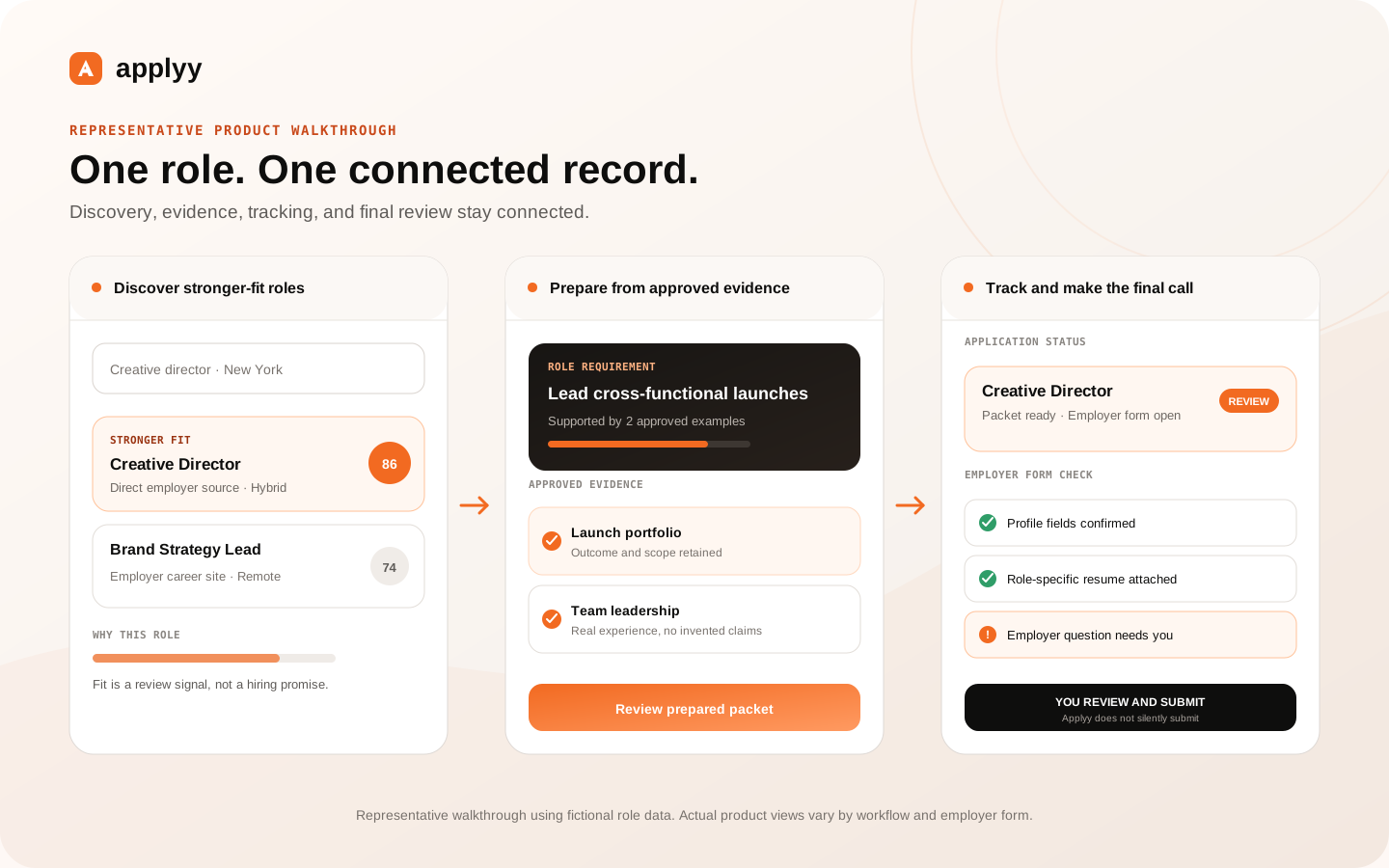
Good tailoring is not keyword replacement. Applyy compares the role's requirements with the candidate's existing experience, identifies evidence that supports the match, and prepares a role-specific version for review.
The original resume remains distinct from the tailored artifact. This makes it possible to understand what changed and to avoid losing the durable source document.
The evidence library gives users a place to retain projects, outcomes, skills, and work examples that may not fit in the original resume. Tailoring can draw from that approved material when it is relevant to the role.
If the available evidence does not support a requirement, the system should expose the gap rather than fabricate a credential or achievement.
A resume may be parsed by an applicant tracking system and then read by a recruiter or hiring manager. Applyy evaluates requirement coverage and wording while preserving readable structure and truthful context.
The goal is not to repeat every phrase from a job description. It is to make the candidate's strongest relevant evidence easier to find and understand.
The tailored resume and cover letter stay associated with the job in the application workflow. Users can review the artifacts, return to strategy when something is missing, and decide whether the packet is ready for the employer form.
AI-generated material remains a draft. The candidate is responsible for confirming accuracy, tone, and whether the document represents the experience they want to present.
No. Tailoring is designed to use existing resume, profile, and approved evidence-library material. Unsupported requirements should remain visible as gaps.
No. The original resume and role-specific tailored artifacts are kept as distinct document types.
No. An ATS-style comparison evaluates alignment and gaps. Tailoring uses the available evidence to prepare a revised role-specific document for review.
Yes. The workflow is built around review and revision before a document is used in an application.